Health and Safety Policy — Commercial Waste Hanwell
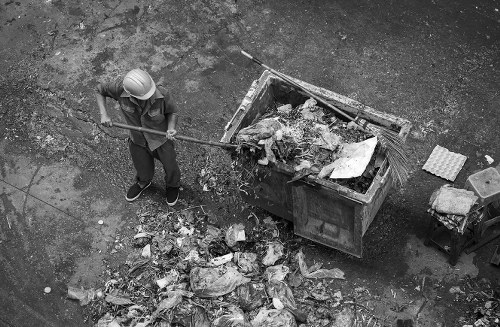 Commercial Waste Hanwell maintains a clear and practical Health and Safety policy to protect employees, contractors and members of the public. This document outlines responsibilities and safe systems of work for those engaged in commercial waste collection, disposal and associated activities across our rubbish company service area. The policy applies to all operational sites, vehicles and handling tasks and is designed to reduce risk through prevention, training and continual improvement. Safety is integral to every job, from scheduled commercial rubbish collections to ad hoc waste removal assignments.
We recognise that effective safety management requires clear leadership. Management will: set safety objectives, ensure compliance with statutory duties, allocate sufficient resources and promote a positive safety culture. All staff and sub-contractors have a duty to follow safe systems, report hazards and participate in risk reductions. The scope covers typical commercial rubbish removal service area activities including loading, transport and site handover, and extends to any special waste handling or recycling operations conducted within our service footprint.
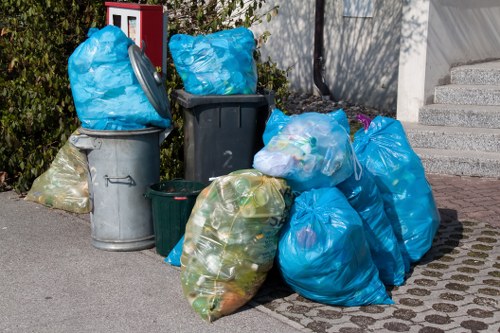 To ensure consistency across the waste removal service area we implement written procedures, safe working instructions and documented risk assessments. These controls are reviewed when operations change, following incidents or as part of regular audits. The organisation maintains records of assessments, training, maintenance and incident investigations. Incident reporting follows a no-blame approach that focuses on learning and preventing recurrence rather than assigning fault.
Responsibilities and Duties
Supervisors and team leaders are required to implement this policy at the operational level, ensuring teams understand the hazards of commercial waste handling and the correct use of personal protective equipment (PPE). Drivers must ensure vehicles are roadworthy, load security is checked and that appropriate documentation accompanies each collection. Employees are expected to work safely, use provided safety equipment and take reasonable care of their own and others’ welfare while performing rubbish collection duties.
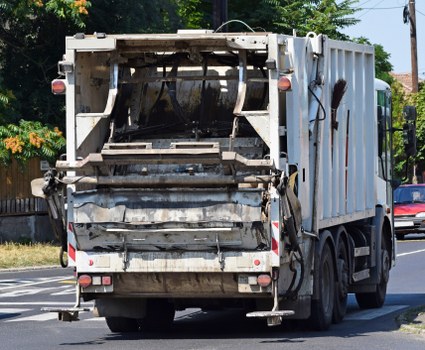 Risk assessments form the basis of our control strategy. Identified risks commonly include manual handling, vehicle movements, exposure to hazardous substances and sharps, slips and trips, and noise. Controls include but are not limited to: mechanical aids for lifting, designated loading zones to separate pedestrians and vehicles, clear signage, appropriate containment for hazardous materials and regular equipment inspections. These measures are applied across the commercial rubbish company operations and adapted to each collection site within the borough and neighbouring service localities.
We maintain a fleet safety programme that integrates vehicle maintenance, driver training and safe loading procedures. The programme contributes to a consistent and safe rubbish company service delivery. Maintenance schedules, daily vehicle checks and pre-shift briefs are standard practice. Where special loads, bulky waste or hazardous items are encountered, staff must follow specific handling protocols and refuse collection escalation procedures to protect health and minimise environmental harm.
Training, Equipment and Emergency Arrangements
Training and competence are central to preventing harm in the waste management service area. All operatives receive induction training that covers policy essentials, manual handling, PPE, safe vehicle operations and incident reporting. Refresher training is provided periodically and whenever operational changes introduce new risks. Training records are maintained centrally and monitored for currency to ensure the workforce remains competent in delivering safe rubbish removal services.
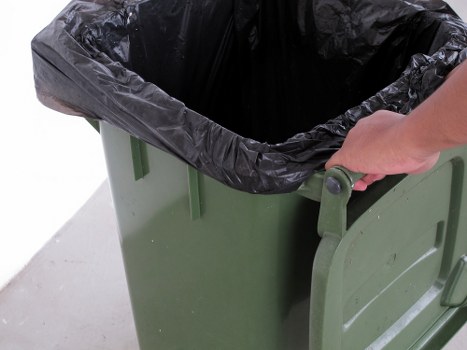 Emergency preparedness includes clear procedures for spills, fires, injuries and hazardous material incidents. Emergency contact chains, first aid provisions and spill kits are allocated to operational depots and vehicles. Drills are conducted to test readiness and ensure staff can respond calmly and effectively. Records of drills, exercises and any real incidents are reviewed to improve procedures and minimise any future disruption to the waste collection and disposal service area.
 Equipment provided to staff is selected to meet operational demands and protect health. This includes gloves, high-visibility clothing, protective footwear and respiratory protection where dust or fumes may be present. Mechanical aids and securement systems reduce manual handling risks during collections and when transferring waste to containers or disposal vehicles. Regular equipment checks and a reporting system for faults help ensure tools remain safe and fit for purpose.
Monitoring, audit and review underpin the policy. Management will set measurable safety objectives, monitor performance through inspections and audits, and use key performance indicators to guide improvements across the rubbish collection area. Non-conformances and near-misses are investigated, with corrective actions implemented and communicated. The policy is reviewed at least annually or sooner if significant operational changes occur to ensure it remains effective and aligned with industry standards.
By embedding these principles into everyday operations, Commercial Waste Hanwell commits to a practical, proportionate and accountable approach to health and safety across the commercial waste and rubbish collection service area. This policy supports a workplace where hazards are managed, staff are supported and environmental impacts are minimised, ensuring safe delivery of refuse and recycling services now and into the future.
- Key elements: Leadership, risk assessment, controls, training, emergency readiness and continuous improvement.
- Coverage: All staff, vehicles and sites involved in commercial waste collection.
- Commitment: Ongoing review and alignment with recognised safety standards.
