Commercial Waste in Hanwell

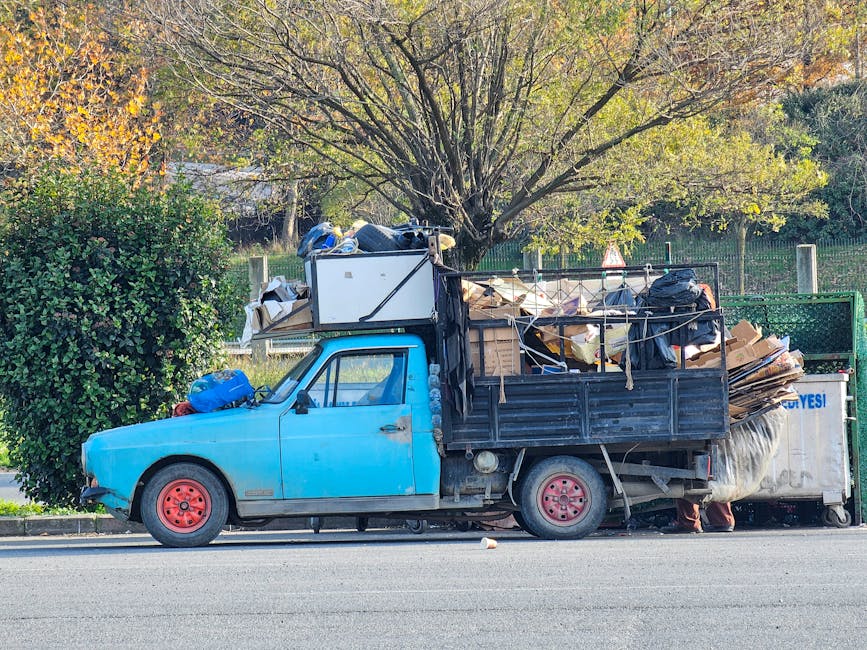
Commercial waste in Hanwell needs a practical service that keeps day-to-day operations moving while handling mixed loads, bulky items and routine collections in a sensible way. We provide commercial waste removal for businesses that want items collected, sorted and taken away with minimum disruption. That can include office clearances, shop waste, trade refuse and other non-domestic rubbish that builds up around premises, storage areas and workspaces.
Our approach is built around clear, straightforward removal rather than overcomplicated arrangements. If you are replacing furniture, clearing a back room, emptying a unit or dealing with accumulated packaging, the work can be planned around the volume and type of waste involved. The aim is to leave the space ready for its next use and to make the disposal process easier to manage for the people running the premises.
Call to arrange a quotation when you are ready, or use the service details below to decide which collection route best fits your waste stream.
Business waste removal for everyday premises
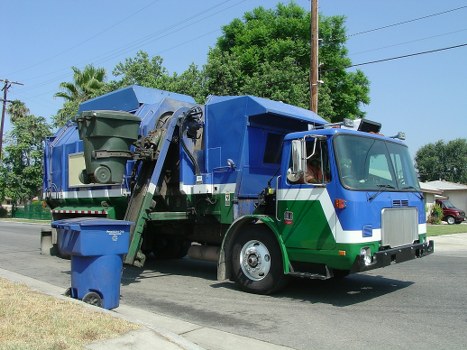
Business waste removal is often needed for items that do not fit a standard bin routine. Offices, retail units, studios and shared workspaces can all generate furniture, cardboard, packaging, redundant stock and mixed rubbish that needs a more direct solution. The collection service is suited to premises that need one-off removal or support with a recurring buildup of items that has become awkward to manage internally.
We handle a wide variety of business waste, with the exact load shaped by what is on site. That may involve desks, chairs, shelving, archive materials, broken fixtures, general refuse or mixed commercial debris gathered during refurbishment or reorganisation. Business waste removal is useful when you need a single clear-out without turning the job into a larger project than it needs to be.
For a smoother quotation, it helps to note the type of premises, the approximate amount of waste and whether there are stairs, lift access or loading restrictions. A brief description is usually enough to start, and photographs can be useful where items are bulky or mixed. If the waste includes specialist materials, it is better to mention that early so the collection can be planned appropriately. You can also review pricing and quotes if you want to understand how the job may be assessed.
Office clearances and workplace items
Office clearances tend to involve a mixture of furniture, equipment and general waste rather than one single category. Desks, office chairs, cabinets, monitors, filing materials and old storage units all take up space quickly when a workplace is being updated or reconfigured. A clear-out can help when you are replacing fixtures, vacating a suite or simply reducing the amount of unused stock and furniture in circulation.
We can remove items from offices, reception areas, back rooms and shared working spaces where the waste has built up over time. The service suits both partial and full clearances, so it can be scaled to suit a few surplus pieces or a larger accumulated load. If you need a focused workplace collection, office clearance provides a more detailed view of that service area and the kinds of items commonly handled.
Useful planning points usually include whether items are dismantled already, whether access is straightforward and whether anything has to be separated before collection. The less sorting required on the day, the simpler the removal can be. For items such as confidential paperwork, a separate shredding route may be more suitable than general disposal, so it is worth considering confidential shredding if documents form part of the load.
Furniture removal and bulky item disposal
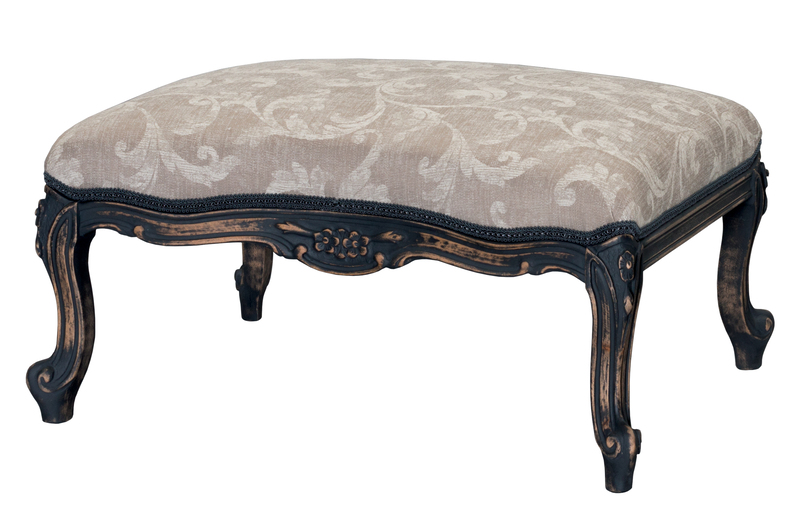
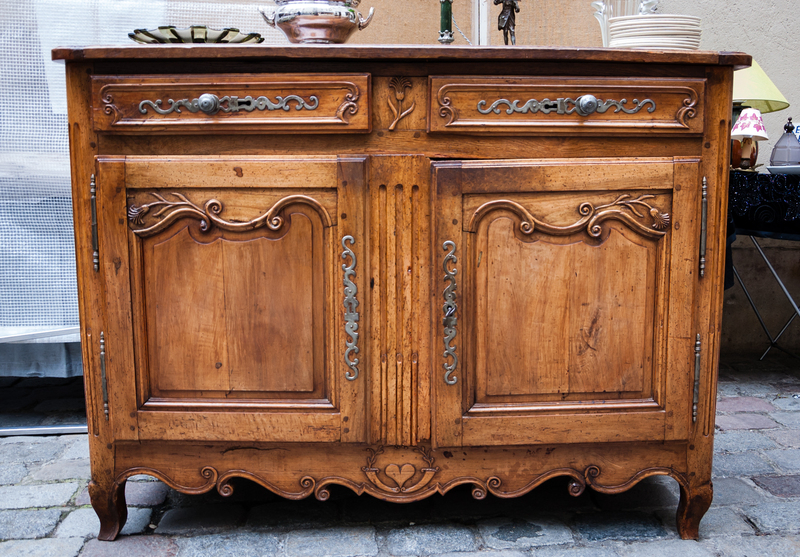
Furniture is one of the most common parts of commercial waste because workspaces change so often. When desks, cabinets, shelving, tables or seating are no longer needed, they can be removed as part of a general clearance or a dedicated furniture collection. This is especially helpful where items are too large for ordinary waste handling or where they need to be taken away from upper floors, stock rooms or tight corridors.
We also deal with bulky commercial items that are awkward to shift or no longer fit the current layout of a business. Depending on the contents, that may include a mix of reusable furniture, damaged items and material that has reached the end of its useful life. If your load is mainly office furniture, furniture clearance may suit the job, while furniture disposal is relevant where the emphasis is on getting specific items taken away and processed appropriately.
The choice between a general clearance and a more itemised furniture collection often depends on quantity, access and whether the goods are mixed with other waste. It can also depend on whether the items are still assembled or need to be broken down first. When you contact us, a simple list is usually enough to identify the most suitable approach, and a few notes about size and condition can improve the accuracy of the quotation.
Garage, loft and storage space clear-outs
Storage areas behind a business often become the place where surplus stock, old fittings and miscellaneous waste end up. Garages, loft spaces and internal storerooms can fill with items that are not part of daily operations but still need to be removed carefully. These jobs are often more varied than they first appear, because the contents may include a mixture of boxes, obsolete equipment, broken fixtures and general rubbish.
Where commercial premises have limited storage, a thorough clearance can free up useful working space without requiring a full refurbishment. Garage clearance and loft clearance are useful references if the waste is being held in an outbuilding or upper storage area, while a broader home clearance or house clearance page may be relevant if the waste is linked to mixed domestic-commercial circumstances.
Because access can vary so much, the main practical questions are often about stairs, headroom, loading points and whether items are loose or boxed. Knowing the layout in advance helps decide whether the job is straightforward or whether additional time may be needed for handling. If you are asking for a quotation, try to note any restricted access and whether the contents are likely to include heavy or brittle items.
Garden and external waste from business premises
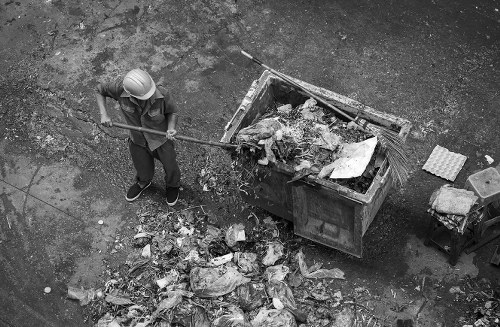
Not all commercial waste sits inside the building. Many premises also produce external waste from courtyards, communal grounds, entrances and service areas. This can include cuttings, broken planters, old outdoor furniture, damaged fittings and mixed waste that has gathered around the edges of the property. For businesses that maintain their own outside areas, it is often easier to arrange a dedicated collection than to try to move everything through an ordinary bin route.
We can remove outdoor waste as part of a larger business collection or as a specific outside clearance where the load is mainly external. If the task is focused on vegetation or seasonal debris, garden clearance explains a suitable collection route, and the wider waste removal service can be useful when the contents are mixed and do not fit neatly into one category.
External loads are often best assessed by type rather than by assumption. Some premises mainly have light garden material, while others have a combination of wet waste, pots, timber, broken furniture and general rubbish. A short written description helps, and so does a note about whether access is via the front, rear or a shared passage. That keeps expectations realistic and makes the quotation more accurate.
Specialist disposal for appliances and awkward items
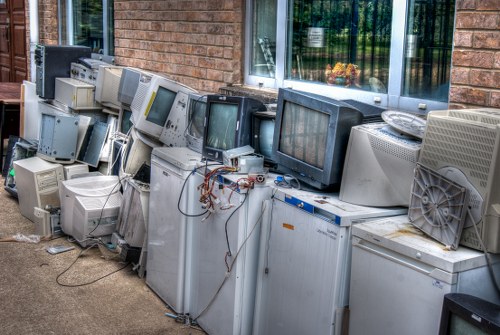
Some commercial waste needs particular handling because of its size, weight or construction. Fridges, freezers, certain electrical items, damaged office equipment and other awkward pieces may not suit ordinary disposal arrangements. A business often ends up with such items after an upgrade, a refurb or the end of a lease, and it is useful to have a service that can take them away as part of a planned collection rather than leaving them in storage.
For appliance-related jobs, fridge and appliance removal offers a clearer match than a general clearance page. Similarly, if the load contains heavy household-style waste from a commercial setting, mattress and sofa disposal may be more relevant than a broad mixed-waste option. The service chosen should reflect what is actually being removed, not just the fact that the items are bulky.
When to choose a specialist route usually comes down to the contents, not the address. If the waste contains one dominant item type, especially anything awkward to carry or separate, a more specific page can help you describe the job clearly. If the load is varied and includes several item types, a broader collection may be the better fit. Either way, the aim is to match the service to the waste, so the quotation reflects the real workload.
Hazardous and sensitive waste considerations
Most commercial rubbish can be dealt with as ordinary waste, but some materials need more careful assessment. Hazardous items, contaminated contents and materials with specific disposal requirements should not be treated as standard mixed rubbish. When a business suspects that a load may contain something unusual, it is better to identify it early rather than assume it can be taken with general waste.
We can discuss whether the load is suitable for this service and whether a specialist route is more appropriate. The relevant reference point for items that need extra care is hazardous waste disposal, which is better suited to materials that need a distinct collection and processing approach. That keeps the main commercial service focused on ordinary business waste while leaving sensitive material to the proper channel.
Because regulations and handling requirements vary by material, this is one area where accuracy matters more than convenience. A clear description of the contents is important, including whether the items are liquids, powders, residues or contaminated objects. If there is any doubt, it is safer to ask before arranging removal so the collection can be matched to the material involved.
Recycling, sorting and responsible disposal
Commercial waste collections are easier to manage when the contents are separated into sensible groups. Recycling opportunities, reusable items and residual waste may all be present in the same load, and sorting them correctly can improve the overall disposal process. The better the contents are described, the easier it becomes to decide what can be taken together and what may need to be handled separately.
Our service can include the removal of mixed items, but there is value in thinking about which materials are likely to dominate the load. Cardboard, metal, furniture, appliances and general rubbish each follow different disposal paths. If environmental handling is important to your business, the page on recycling and sustainability gives a useful overview of that subject, while what can go in a skip may help you compare waste types if you are choosing between collection methods.
A sensible quotation starts with the facts: what is being removed, roughly how much of it there is and whether the items are mixed or sorted. If you can also say whether the waste is dry, wet, bulky or fragile, the planning becomes easier. That reduces the chance of surprise on the day and helps the collection work efficiently around your operational needs.
Pricing factors and how quotations are prepared
Commercial waste quotations are usually shaped by the material, the amount to be removed and the ease of access. A smaller load from a ground-floor premises will generally be different from a large collection requiring stairs, awkward parking or several separate pickup points. If the waste is mixed, bulky or difficult to sort, that can also affect the practical work involved in removing it.
We keep the pricing discussion focused on the job in front of us, not on unnecessary extras. Pricing and quotes is the relevant page if you want to see how quotation requests are approached, while book online may suit customers who already know what needs to go and want to take the next step. For broader company information, about us and contact us are also available.
To help prepare an accurate quotation, it is usually enough to share the type of waste, the approximate volume and any access details that could affect removal. A brief inventory is useful when several item types are involved, and photographs can help where the contents are hard to describe in words. If you need a concise reply, keep the notes simple and factual so the quote can reflect the actual collection rather than a broad estimate.
About Hanwell
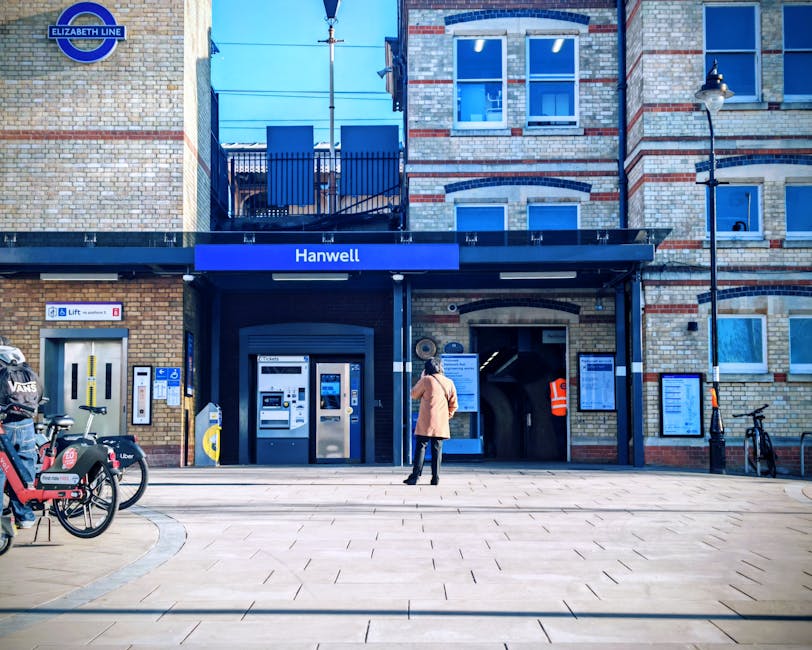
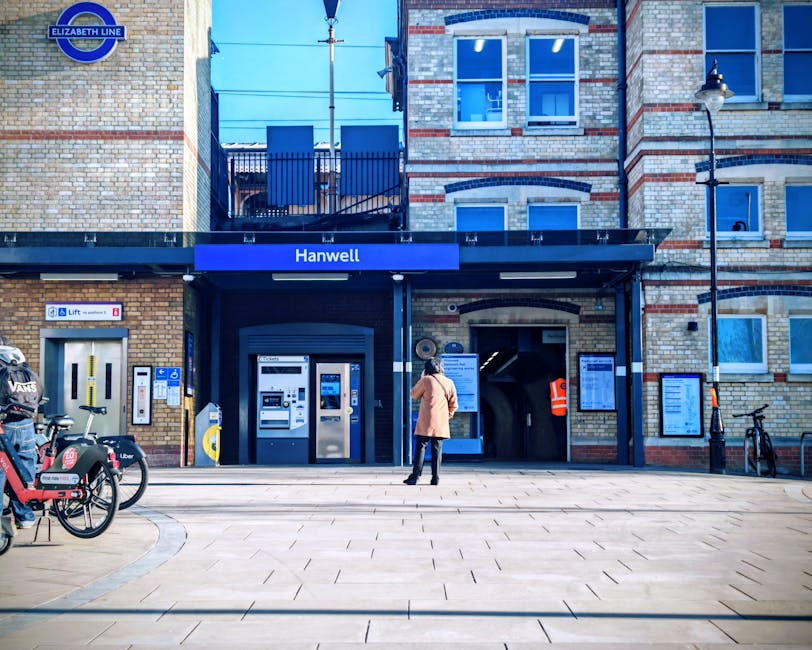
Hanwell is a district in the London Borough of Ealing in west London, lying to the west of Ealing Broadway and east of Southall. Historically a village on the western edge of the capital’s built-up area, it developed significantly with nineteenth-century transport links, especially the Great Western Railway and later the Great Western Main Line, which helped shape its growth into a suburban settlement. The Grand Union Canal also passes nearby, adding a quieter transport corridor and a reminder of the area’s earlier industrial and logistical connections. Hanwell’s older centre retains a village-like feel in places, with local parades, residential streets and pockets of older housing that sit alongside later interwar and post-war development. The area is noted for several landmarks and green spaces. Wharncliffe Viaduct is one of its best-known pieces of historic infrastructure, designed by Isambard Kingdom Brunel and carrying the railway across the valley of the River Brent. The Brent Valley stretches through and around the district, providing open space, walking routes and wildlife interest. Hanwell Zoo, within Cuckoo Park, is a familiar local attraction, while nearby Elthorne Park and other smaller green spaces add to the mix of recreation and residential character. The area also has a strong sense of local identity, reflected in community activity, historic churches and the continuing use of the name “Hanwell†long after suburban expansion linked it more closely with surrounding parts of west London.
Office, retail and site clearances
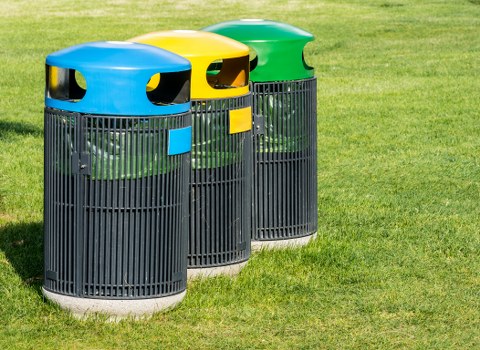
Some commercial jobs are not limited to one category of waste. A workplace may need old office furniture removed, retail stock cleared, packaging taken away and assorted debris lifted from back-of-house areas at the same time. In those cases, a broader clearance is usually more practical than trying to split the job into several separate visits. The main aim is to clear the premises in a way that matches the actual use of the space.
We can support larger clearances where several waste streams appear together, including items from offices, storage rooms, back areas and light commercial units. If you are dealing with a structured premises clear-out, it may help to compare builders waste clearance for refurbishment debris, or return to business waste removal for the general commercial option. A fuller overview of all collection types is available through waste removal.
The simplest route is usually the one that matches the dominant waste type and the site conditions. If you are planning a move, a re-fit or a stock reduction, it is sensible to note what must stay and what must go before requesting a quotation. That makes the next step easier and helps the collection proceed in a controlled, orderly way. Request your quotation today if you are ready to discuss the job in more detail.