Complaints Procedure for Commercial Waste Hanwell
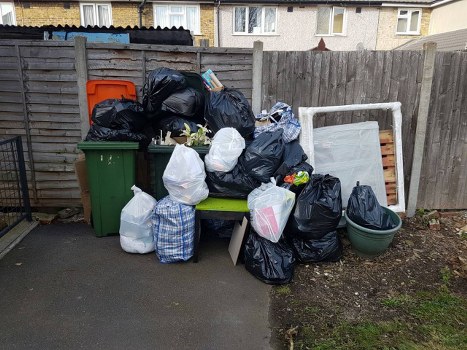 This Complaints Procedure explains how businesses and organisations can raise concerns about commercial waste Hanwell services and what to expect. It applies to complaints about collections, disposal, recycling, site operations and any commercial rubbish services provided across our service area. The aim is to resolve issues quickly and fairly. If you have concerns about an aspect of a commercial rubbish collection or a waste management contract, this procedure sets out the steps we take to investigate and respond.
The scope covers complaints submitted by customers, third parties acting on behalf of a customer, and authorised representatives for commercial waste services in the region. We welcome clear, factual reports about missed collections, safety risks, contamination incidents, poor customer service, or breaches of contractual obligations. Complaints that relate to statutory enforcement or criminal activity will be directed to the appropriate enforcement authority as part of the formal review, but this document is focused on administrative and service-level redress.
 How to make a complaint: you should provide a clear account of the issue, including dates, times, vehicle or crew information if known, and any supporting evidence such as photographs or records. The complaint can be submitted in writing via the formal channels established by the waste operator; these procedures apply whether you raise concerns about Hanwell commercial waste collection standards or broader commercial waste management services. Key steps include:
- Stage 1: Receipt and acknowledgement of your complaint within the published timescale.
- Stage 2: Assignment to an investigator with relevant operational knowledge.
- Stage 3: Communication of findings and any proposed remedies.
Investigation and Timelines
All complaints about commercial waste services in Hanwell are logged and triaged by priority. Urgent matters such as public health risks, hazardous spillage, or dangerous obstruction receive immediate attention and escalation. Non-urgent issues will be investigated in accordance with the following standard timeline: an acknowledgement within 3 working days, a preliminary review within 10 working days, and a full response or progress update within 20 working days. Timescales may vary depending on the complexity of the incident and the need to liaise with third-party contractors or regulators.
 The investigation process includes gathering statements from crews or site staff, reviewing vehicle and route records, and inspecting relevant waste containers or premises where necessary. Investigators aim to identify root causes, whether operational lapse, scheduling error, contamination issues, or contractual misunderstanding. Where appropriate, corrective actions are recommended such as re-collection, amendment of service schedules, staff retraining, or contractual remedies to prevent recurrence of the issue.
Confidentiality is respected throughout the process: details of a complaint are shared only with those who need to know to conduct the investigation and provide a resolution. Record-keeping is maintained for a defined retention period consistent with business and regulatory requirements; records include the original complaint, investigation notes, evidence, findings and any actions taken to remedy the situation and prevent future incidents.
Outcomes, Remedies and Escalation
Outcomes of complaints about commercial rubbish services may include formal apologies, operational fixes such as re-collection or route changes, and in some cases financial or contractual remedies where service failure caused measurable loss. A written resolution will set out the findings, the reasons for decisions, and any remedial steps. If a complaint identifies a systemic problem, we will describe the planned service improvements and associated timescales to address the issue.
 If the complainant is not satisfied with the initial outcome, a formal internal review will be offered. This review is conducted by a senior manager or an independent reviewer who was not involved in the original investigation. The internal review focuses on whether the procedure was followed correctly, whether the findings were supported by the evidence, and whether the proposed remedies were proportionate to the failure in service.
 In the event that internal review does not produce a satisfactory outcome, further options include escalation to the contract authority or a designated regulatory body where applicable. This complaints procedure is part of our commitment to continuous improvement for commercial waste collection and disposal across the service area. Regular audits of complaints trends are used to inform training, operational changes and policy updates, helping to reduce repeat incidents and improve reliability for businesses that rely on commercial waste collections.
Review and Amendment: This complaints procedure is reviewed periodically to reflect changes in legislation, regulatory expectations and operational experience. We encourage businesses to report service shortcomings promptly and to cooperate with investigators so issues can be resolved more rapidly. The policy is intended to be fair, transparent and proportionate, balancing the needs of commercial customers with safe and compliant waste management practices across the area.
Note: This page outlines the formal approach to handling complaints about commercial waste and rubbish services. It is not a substitute for statutory notices or legal advice, nor does it include contact or website details, which are provided through separate channels.
