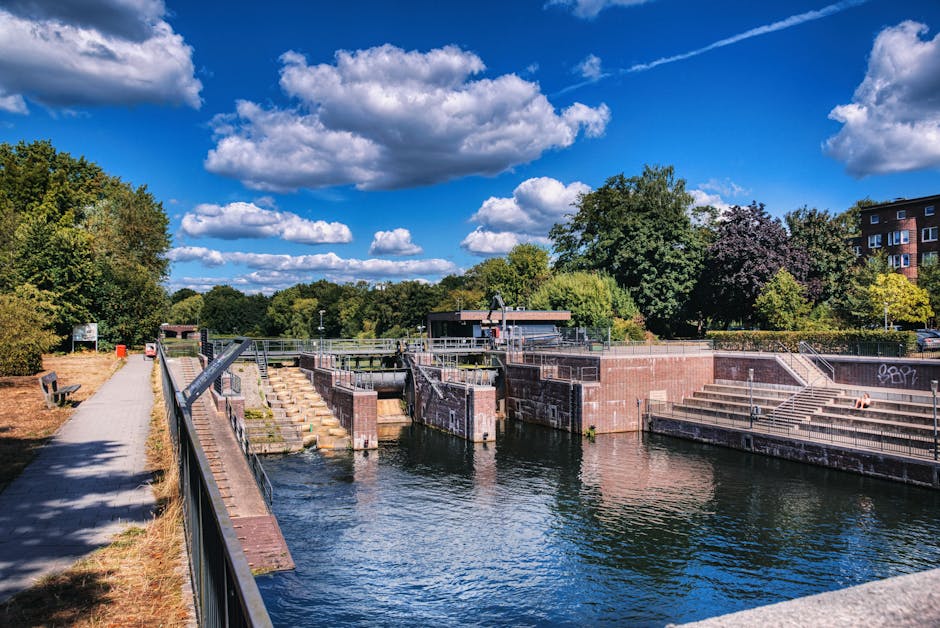
Hanwell Locks canal rubbish pickup and clearance in W7: a practical local guide
If you have ever walked near Hanwell Locks and noticed bottles, stray bags, broken bits of wood, or the odd sofa half tucked by the water, you already know why Hanwell Locks canal rubbish pickup and clearance in W7 matters. It is not just about making the place look tidier for a day or two. It is about keeping a popular stretch of waterway safer, more pleasant, and easier to manage over the long term.
This guide explains what canal-side rubbish pickup and clearance actually involves, how it tends to work in practice, who usually needs it, and what to look out for before arranging a visit. You will also find a simple step-by-step process, a realistic comparison of clearance options, and a checklist you can use straight away. Let's face it, canal waste can get awkward quickly - damp rubbish, awkward access, and the occasional mystery item nobody wants to touch.
Why Hanwell Locks canal rubbish pickup and clearance in W7 matters
Hanwell Locks is one of those places where small messes become visible very quickly. A single fly-tipped bag, a broken chair, or a drift of packaging near the towpath can make an otherwise calm stretch feel neglected. That matters for people walking, cycling, jogging, fishing, taking photos, or simply passing through on a grey weekday morning.
Canal rubbish is also different from ordinary street litter. It often gets wet, sinks partially into mud, spreads after rain, or ends up in hard-to-reach places around vegetation, embankments, lock edges, and towpath corners. Once that happens, a simple pickup can turn into a more careful clearance job. Not glamorous, admittedly. But very necessary.
There is also a practical side. Waste left near water can attract vermin, block access, create unpleasant smells in warmer weather, and put extra pressure on maintenance teams, residents, landlords, and local businesses. If rubbish includes sharp debris, contaminated items, or broken glass, the risk climbs again. In a busy part of W7, that is exactly the kind of problem you want dealt with promptly rather than "next week, maybe".
Expert summary: canal rubbish clearance is at its best when it is quick, careful, and properly sorted. The aim is not just to remove visible waste, but to prevent it being spread, buried, or missed in the first place.
For nearby property owners, caretakers, and local businesses, this kind of work also supports reputation. A clean waterway and towpath make a stronger impression than a neglected one, and that can matter more than people think.
How Hanwell Locks canal rubbish pickup and clearance in W7 works
In most real-world cases, canal-side clearance follows a straightforward process, though access and waste type can make each job a bit different. The key is to assess the site properly first. A quick glance is not enough if waste has been sitting by water for a while or if items are partially hidden in reeds, mud, or hedge lines.
Usually, the work starts with a brief review of what is there: general litter, bulky items, builders' debris, garden waste, discarded furniture, or mixed rubbish. That matters because the disposal method can vary depending on the material. For example, a few sacks of dry rubbish are one thing; a waterlogged sofa or broken appliance is another entirely.
Then comes access planning. Towpaths, steps, narrow entrances, and uneven ground can make collection awkward. A team may need sacks, gloves, hand tools, trolleys, or a vehicle positioned nearby. In some cases, the simplest approach is a manual pickup into separate containers. In others, a broader clearance may be better, especially if the rubbish has built up over time.
If the waste includes larger household or business items, it may be sensible to combine the canal pickup with related services such as waste removal, garden clearance, or even builders waste clearance where fly-tipped renovation debris has ended up close to the water.
Once collected, the waste should be separated where practical. Recyclable material, general waste, and specialist items should not just be thrown together if they can be handled more responsibly. That is one of those invisible details that makes a real difference.
Key benefits and practical advantages
The most obvious benefit is visual. A clean canal edge simply feels better to use. But there are several other advantages that matter just as much, especially in a local area like W7.
- Improved safety: fewer sharps, trip hazards, and hidden obstructions along the towpath.
- Better access: clearer routes for walkers, maintenance teams, and residents.
- Less pest attraction: food waste and soft rubbish can draw unwanted attention very quickly.
- Reduced spreading: once loose waste gets caught by wind or water, it can travel further than you expect.
- Better presentation: useful for managed spaces, local frontages, and properties near the lock area.
- More efficient maintenance: a planned pickup is usually easier and cheaper than dealing with a long-neglected mess.
There is also a quieter benefit: peace of mind. If you live, work, or manage property near the canal, it is reassuring to know the area has been properly cleared rather than just "tidied a bit". That distinction matters. A lot.
In our experience, people often start by asking for a simple litter pickup and then realise the real issue is a mixed waste hotspot: a few bags, one broken item, some garden cuttings, maybe a leftover bit of furniture. Once you solve the whole problem in one go, the area stays manageable for longer.
Who this is for and when it makes sense
Hanwell Locks canal rubbish pickup and clearance in W7 makes sense for a few different groups. You might be a homeowner with a rear boundary near the canal, a landlord dealing with a messy vacant patch, a business wanting the frontage to look decent, or a site manager facing repeated dumping in the same spot. Different cause, same headache.
It is especially useful if you are dealing with:
- Fly-tipping near the towpath or lock access points
- Overflowing rubbish after a busy weekend or local event
- Garden waste dumped behind hedges or fences near the canal
- Bulky items left where they should not be, such as chairs, mattresses, or broken appliances
- Clearance after a tenancy change, property refurbishment, or outdoor tidy-up
- Repeated small litter build-up around a property edge or access lane
It can also be useful for people who do not want to attempt the clearance themselves. Truth be told, canal-side rubbish is often heavier, wetter, and more awkward than it looks from a distance. One quick trip with a bin bag is rarely the full story.
If the clearance forms part of a larger property tidy, you may also find related support helpful, such as house clearance, home clearance, or flat clearance if the waste has come from nearby domestic turnover rather than the canal itself.
Step-by-step guidance
Here is a practical way to think about the job from start to finish. Not every case needs every step, but this is the shape of a proper clearance.
- Identify the waste type. Separate general litter, bulky items, green waste, and anything that might need special handling.
- Check access. Look at towpath width, steps, parking options, gates, and any awkward corners near the water.
- Take a quick risk look. Watch for sharp objects, slippery edges, unstable piles, or items that may have partly sunk into mud.
- Decide what must go now. Some items are urgent; others can wait for a grouped clearance. Be selective, not messy.
- Use the right method. Manual pickup, bagging, lifting, and loading should suit the site rather than force the site to suit the job.
- Sort as you go. Keep recyclables and special items separate where practical.
- Remove all collected waste promptly. Leaving filled sacks on-site is a shortcut that usually causes trouble later.
- Do a final sweep. Small fragments are easy to miss near grass, paving cracks, and lock-side edges.
If the area includes older furniture or mixed bulky waste, it can help to combine this with furniture disposal or furniture clearance. That avoids separate visits and, to be fair, saves a lot of faffing about.
For properties with food waste, soggy packaging, or a lot of mixed refuse, the same careful approach applies. The canal may be local, but the waste rules do not suddenly become simpler just because the view is nicer.
Expert tips for better results
A good canal clearance is rarely about brute force. It is usually about planning, timing, and making a few sensible choices at the right time.
- Act early. Small piles are easier to remove before they spread, rot, or get tangled in the bank.
- Pick the right time of day. Quieter periods usually make access easier and reduce disruption for walkers and neighbours.
- Bring more sacks than you think you need. Wet rubbish fills faster and weighs more than it looks.
- Keep sharp items separate. Broken glass, metal offcuts, and hard fragments should not be mixed loosely with general waste.
- Expect hidden waste. A visible bag often has a smaller item trail around it.
- Leave the site safer than you found it. That means checking for residual debris, not just the big obvious bits.
One small but useful habit: photograph the area before and after. Not for drama, just for clarity. If the same spot keeps being dumped on, those pictures help you spot patterns. And yes, sometimes the second photo is the satisfying one everyone wants.
If your clearance is part of a wider sustainability effort, it can help to think about how waste is handled afterwards. The page on recycling and sustainability is a useful reminder that disposal does not have to be wasteful by default.
Common mistakes to avoid
Canal rubbish pickup sounds simple until a few small mistakes turn it into an avoidable headache. These are the ones we see most often.
- Leaving waste in piles for "later". That usually creates a second handling job and more mess.
- Underestimating weight. Wet cardboard, damp fabric, and soil-heavy bags can become surprisingly heavy.
- Ignoring mixed waste. A site with general litter may also contain bulky, recyclable, or restricted items.
- Forgetting access constraints. A route that looks fine on foot may be awkward with bags, trolleys, or larger items.
- Skipping the final sweep. Tiny debris near water is easy to miss and irritating to leave behind.
- Treating the canal edge like a standard roadside job. It is not. The environment is more fragile and the access can be more delicate.
A less obvious mistake is assuming every piece of waste can be handled the same way. That is rarely true. A single fridge, for instance, is not the same as a pile of loose rubbish. If the job includes an appliance, check options like fridge and appliance removal rather than forcing it into a general pickup plan.
And if you run into items that could be hazardous, do not wing it. That is where caution beats speed every time.
Tools, resources and recommendations
You do not need a warehouse of specialist kit for a small canal clearance, but you do need the right basics. The wrong tools make the job slower, messier, and less safe.
| Item | Why it helps | Good for |
|---|---|---|
| Heavy-duty gloves | Protects hands from sharp and dirty waste | General pickup, broken items, mixed rubbish |
| Thick sacks or rubble bags | Handles wet and awkward material better | Litter, packaging, soaked debris |
| Pick-up grabbers | Useful for hard-to-reach litter near edges | Towpath margins, undergrowth, small fragments |
| Trolley or barrow | Reduces carrying strain on uneven ground | Bulkier clearances, repeated bag movement |
| High-visibility clothing | Improves visibility near access routes | Busier paths, low-light mornings, work near traffic |
For people deciding whether to use a specialist service, the most useful pages are usually the practical ones. Pricing and quotes helps set expectations, while book online may suit straightforward jobs where you already know what needs taking away. If you want to understand the business behind the service, about us can help too.
One more recommendation: if rubbish has been dumped near a workplace, consider whether it is part of a wider site issue. In that case, business waste removal may be more appropriate than a one-off litter pickup.
Law, compliance, standards, or best practice
Any canal-side clearance needs to be handled with care and common sense. You do not need to turn the job into a legal seminar, but you do need to avoid bad practice. In the UK, waste must be managed responsibly, and duty-of-care expectations generally mean rubbish should be collected, transported, and disposed of by appropriate means. If you are unsure about a particular item, it is wiser to check before moving it.
Best practice usually includes:
- Using trained people for lifting, handling, and loading
- Separating ordinary waste from items that may need specialist disposal
- Keeping records or notes where a site is being cleared repeatedly
- Protecting workers and the public from sharp, unstable, or contaminated waste
- Not dumping removed material back in an informal pile, even temporarily
If hazardous waste is involved, stop and assess properly. Paint tins, chemicals, oily containers, batteries, and similar items are not "just rubbish". They need a more careful approach. For that reason, the page on hazardous waste disposal is worth reviewing whenever you suspect something is beyond general clearance.
Insurance and safety also matter. A proper clearance should not put people at unnecessary risk, especially on uneven ground near water. If you are comparing providers or deciding how to approach the job, look for clear safety standards and sensible handling practices, not just speed.
Options, methods, or comparison table
There is more than one way to tackle canal rubbish in W7, and the best choice depends on how much waste is there, how awkward the access is, and whether the material is mixed or bulky.
| Method | Best for | Pros | Limitations |
|---|---|---|---|
| Small manual pickup | Light litter, a few bags, quick tidy-ups | Fast, flexible, minimal disruption | Not ideal for heavy or bulky waste |
| Mixed waste clearance | Fly-tipped bags, packaging, broken household items | More thorough, handles varied waste types | Needs better sorting and more time |
| Bulky item removal | Furniture, appliances, large single objects | Efficient for awkward items | May require specialist handling |
| Full property-side clearance | Repeated dumping or a wider messy boundary | Best for long-term reset of the area | Usually more involved and less instant |
For some jobs, a canal cleanup is only one part of the answer. A neighbouring garden strip may also need attention, or a nearby loft or garage may be the source of the overflow. In those cases, it can be smarter to combine services like garage clearance or loft clearance rather than arranging several small visits that all do half the job.
That said, not every task needs a big solution. Sometimes a short, focused pickup is all that is required. Keep the response proportional to the mess. Simple idea, but easy to forget.
Case study or real-world example
Imagine a small stretch near the locks after a windy weekend. A resident notices three bin bags split open, a broken plastic crate, drink cans caught in the grass, and a damp cushion shoved behind a hedge. Nothing dramatic, but it looks untidy and slightly sad, which is often how these things start.
The first decision is whether the waste is just litter or a mixed clearance. Here, it is mixed. The bags need collecting, the loose cans need picking, and the cushion may need separate handling depending on its condition. The access path is narrow in one section, so moving the waste in stages is safer than trying to carry too much at once.
The team clears the obvious material first, then checks the edges for small fragments. A final sweep catches broken plastic bits and a few hidden scraps under the hedge line. No drama, no heroics. Just a clean finish and less chance of the waste blowing back the next day.
Now, the useful bit: because the site was handled as a proper clearance, not just a quick tidy, the nearby resident can keep it under control with far less effort afterwards. That is the whole point really. Remove the problem properly once, instead of circling around it forever.
Practical checklist
Use this before arranging or carrying out a canal rubbish pickup near Hanwell Locks.
- Walk the site and note all visible waste, not just the biggest items
- Check whether rubbish is loose, wet, buried, or tangled in vegetation
- Identify any sharp, hazardous, or restricted items
- Confirm access for foot traffic and collection vehicles where needed
- Decide whether the job is a simple pickup or a broader clearance
- Plan for sorting waste into sensible streams where possible
- Keep the route safe and avoid overloading bags or containers
- Complete a final sweep of edges, cracks, and hidden corners
- Remove waste promptly after collection
- Review whether the same spot needs preventive action later
If the job includes textiles or soft furnishings, do not forget that items like mattresses and sofas need different handling. The page on mattress and sofa disposal is useful where larger household items are part of the problem.
Get a free quote today and see how much you can save.
Conclusion
Hanwell Locks canal rubbish pickup and clearance in W7 is one of those jobs that looks small from afar and very different up close. The right approach is careful, practical, and respectful of the waterway setting. Remove waste properly, sort it sensibly, and think beyond the immediate mess so the area stays better for longer.
If you are dealing with recurring rubbish, bulky items, or a canal-side area that needs a proper reset, do not wait until it becomes a bigger, uglier job. A good clearance now saves a lot of stress later - and, honestly, the towpath feels better almost immediately.
For more about the team and how the service works, you can also review the site's about us and insurance and safety information before making a decision. Sometimes that little bit of reassurance is all you need.
And if you are ready to take the next step, a clean canal edge is a very good place to start.
Frequently Asked Questions
What is included in Hanwell Locks canal rubbish pickup and clearance in W7?
It usually includes collecting loose litter, bagged waste, and any small-to-medium bulky items found near the canal edge or towpath. If the site is more heavily affected, it may also involve sorting mixed waste and clearing hidden debris from vegetation or awkward corners.
Is canal rubbish clearance different from ordinary waste removal?
Yes. Canal-side work often involves wetter waste, harder access, uneven ground, and more attention to safety. It is usually less straightforward than a normal roadside pickup, which is why planning matters so much.
Can bulky items like furniture be removed from near the canal?
Yes, provided there is safe access and the item can be handled properly. For larger household pieces, services such as furniture disposal or furniture clearance may be more suitable than a simple litter pickup.
What should I do if the waste looks hazardous?
Do not move it casually. Items that may be hazardous need proper assessment and cautious handling. If you suspect chemicals, oils, batteries, sharps, or contaminated material, treat it separately and consider specialist handling.
How quickly should canal rubbish be removed?
As soon as practical. The longer waste sits there, the more it spreads, smells, or becomes embedded in the bank. A short delay is normal; letting it linger for weeks usually makes the job harder.
Can I clear a bit of canal rubbish myself?
For very small and safe litter pickups, some people do. But if the waste is heavy, sharp, mixed, wet, or difficult to access, it is better to use a proper clearance approach. Safety first, every time.
What if the same spot keeps getting dumped on?
That often means the area needs a fuller clearance and a better long-term plan. Keeping a record of what is being dumped and where can help identify patterns. Repeated dumping is frustrating, but it can usually be managed more effectively with consistency.
How do I know whether I need a full clearance rather than a pickup?
If the waste includes more than a few loose items, if there are bulky objects, or if rubbish is spread across multiple spots, a full clearance is usually the better option. If it is just a small amount of surface litter, a pickup may be enough.
Are there any special disposal concerns near a canal?
Yes. Waste close to water should be handled carefully so nothing falls in, spills, or blows away. That is especially important for light plastics, damaged packaging, and anything contaminated or sharp.
What if the rubbish came from a nearby property rather than the canal itself?
Then a wider property-side service may make more sense. Depending on the source, home clearance, house clearance, or business waste removal may be the better fit.
Can canal clearance be combined with other jobs?
Yes, and often that is the smartest way to do it. If there is waste in a garden, garage, loft, or office alongside the canal issue, combining the work can save time and keep the whole area consistent.
How do I get a quote for the work?
The easiest next step is to review the service details and use the booking or pricing information available on the site. If the job is straightforward, that usually gives you a clear sense of the likely approach and cost structure.